
Museums invest heavily in attracting visitors, but engagement shouldn't stop at the exit. Every visit tells you something new about what a person values. The trick is recognizing those signals and responding to them over time.
It comes down to memory. When you ignore past behavior, you lose the visitor. When you acknowledge it, you build a relationship. The following data highlights how visitors react to personalization, how CRM tools shape that engagement, and the specific strategies that drive repeat visits.
Why Visitors and Donors Expect Personalization

40% of donors are more likely to engage when they receive personalized updates
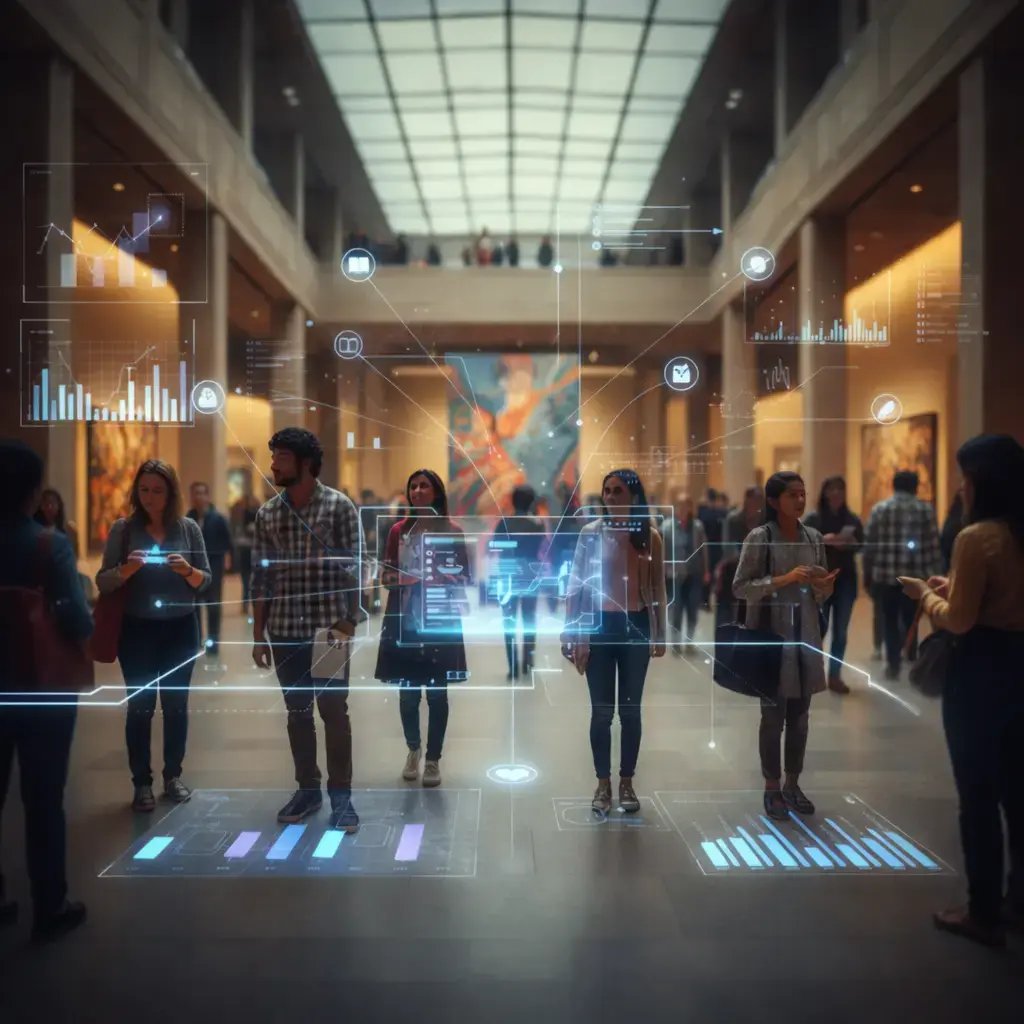
Personalized communication strengthens donor engagement by demonstrating that you know who they are. Donors respond when messages align with their full history, not just their last check, but their program attendance, ticket purchases, and volunteer hours. Engagement increases when communication feels informed rather than automated.
-
The Context: A donor who is also a frequent visitor has a different relationship with the museum than a donor who lives out of state. Treating them exactly the same misses the opportunity to leverage that in-person connection.
Personalized communication boosts visitor retention by 30%
Retention improves when visitors feel remembered. Personalization supports continuity across visits and interactions, reinforcing the sense that the relationship extends beyond a single transaction at the ticket counter. Over time, this continuity determines whether a casual visitor becomes a member, and whether a member becomes a lifelong donor.
- The Context: The gap between the first and second visit is where most museums lose people. Personalization bridges that gap by using data from the first visit to incentivize the second.
CRM Tools Turn Every Visit Into a Lasting Connection
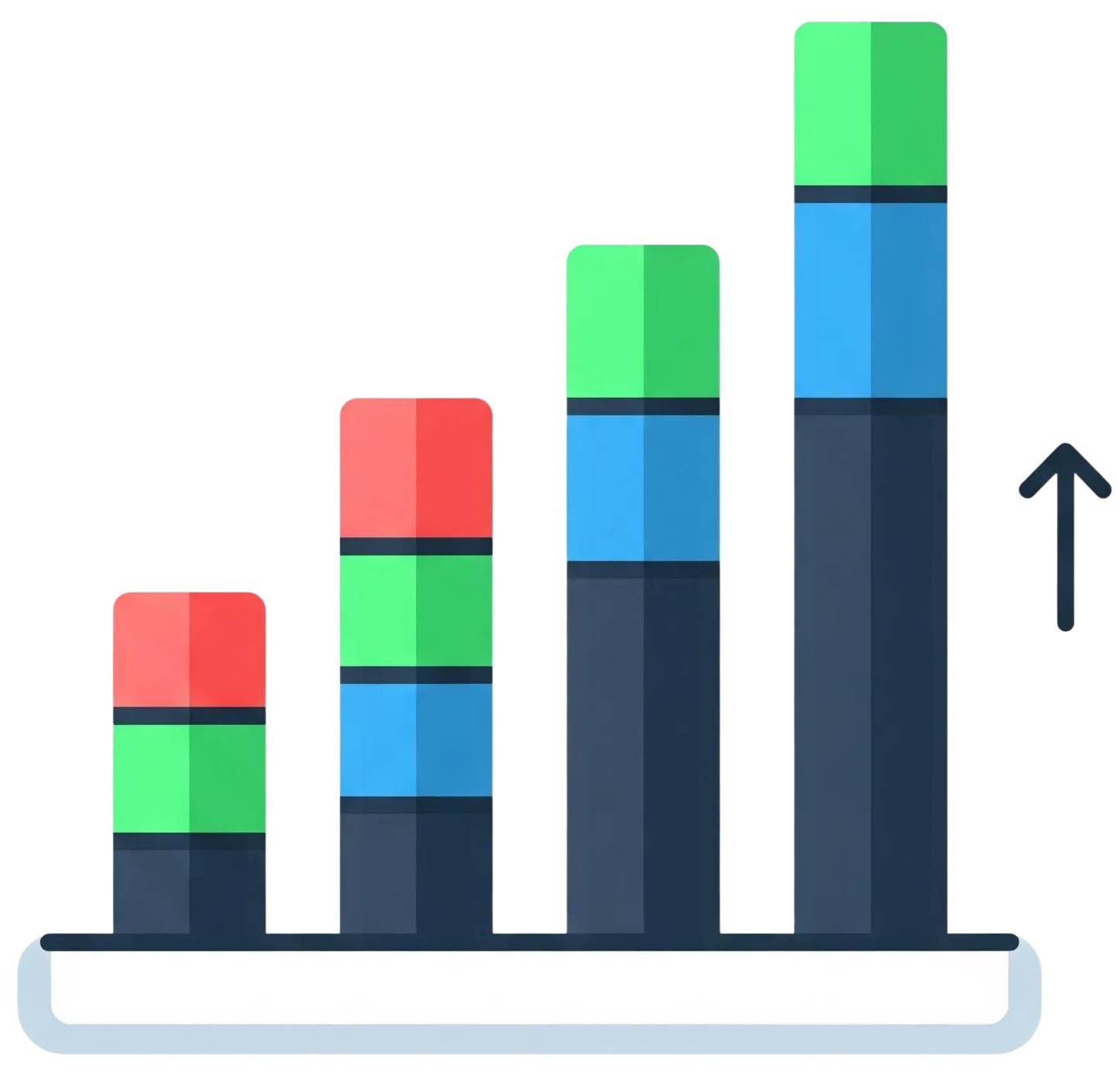
58% of marketers report stronger results from segmented campaigns
Segmentation only works when it is grounded in real, unified visitor behavior. Modern CRM systems allow museums to group contacts based on dynamic criteria, such as "visited in the last 30 days" or "purchased a family membership", rather than static, manually updated lists. This structure supports communication that reflects how visitors actually interact with the institution in real-time.
- The Problem it Solves: Many museums suffer from data silos, where ticketing data lives separately from email lists. A robust CRM unifies this, allowing you to segment based on actual attendance, not just email clicks.

80% of organizations that track visitor preferences see a direct impact on engagement
Preference tracking changes how teams plan outreach. When interests and behaviors are visible inside the CRM, communication becomes easier to tailor and measure. Engagement improves because follow-ups align with what visitors have already demonstrated an interest in, rather than what the museum simply wants to promote that week.
- The Application: If a visitor buys tickets to a specific exhibition, that data point should automatically trigger a tag in your CRM. The next time a similar exhibition opens, you have a built-in audience ready to buy.
30% of nonprofit organizations believe using multiple communication channels increases donor engagement
Engagement strengthens when communication is consistent across email, social media, and on-site digital touchpoints. CRM systems help museums coordinate these channels so visitors receive messages that feel connected rather than fragmented.
- The Application: A visitor might ignore an email but respond to a targeted social ad or a text message reminder. A unified CRM ensures you aren't crossing wires by asking for a donation via email on the same day they just renewed their membership at the front desk.
The Art of Visitor Retention. CRM Strategies That Work
74% of organizations using automated, personalized email workflows report higher engagement
Automation supports retention when it reflects real activity, not just time passing. Personalized workflows respond to actions such as attendance, ticket scanning, or membership renewal, allowing museums to follow up immediately without relying on manual staff processes.
-
The Strategy: Instead of a manual "thank you" distinct from the ticketing system, an integrated CRM can automatically trigger a "Post-Visit Guide" email 24 hours after a ticket scan, deepening the educational value of the visit and soliciting feedback instantly.
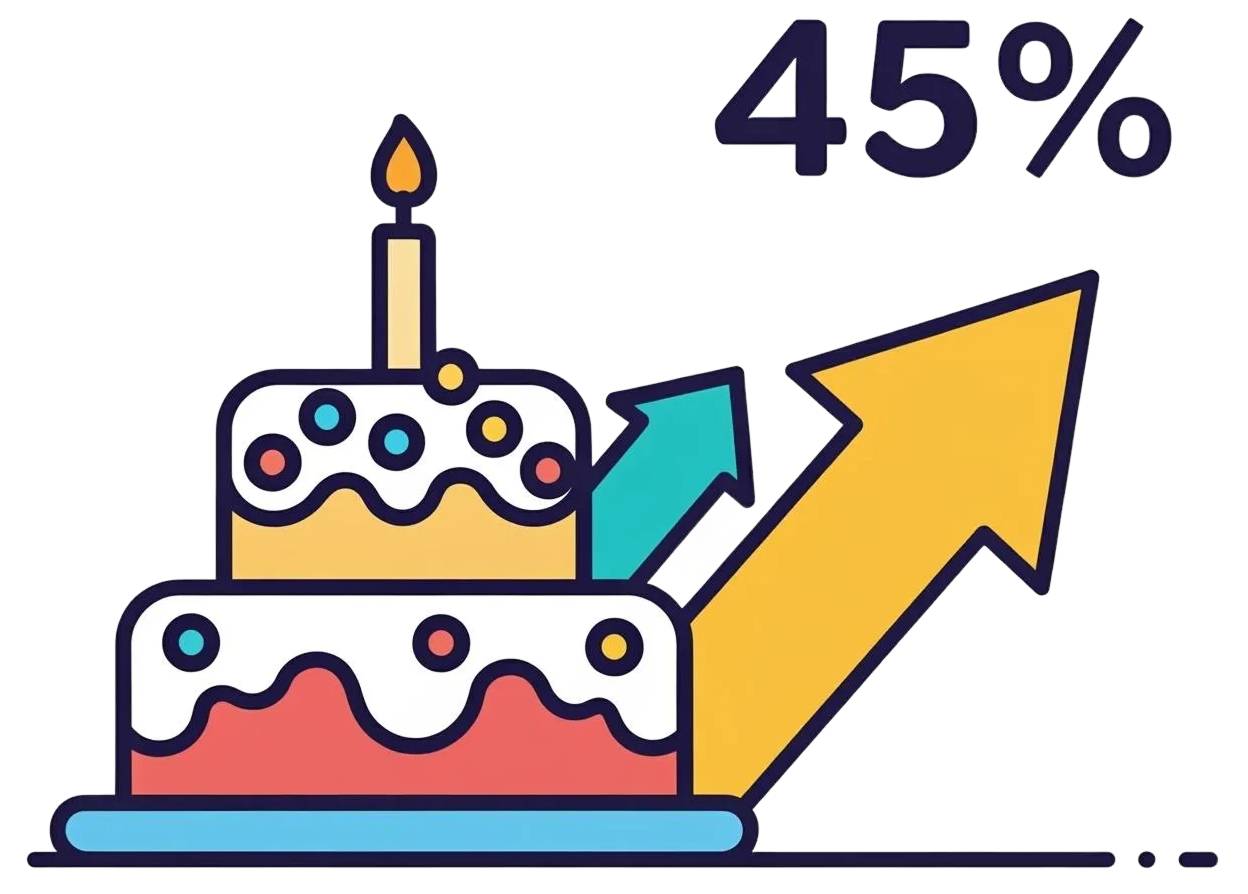
Personalized birthday and anniversary messaging improves engagement rates by 45%
Recognition matters. Messages tied to meaningful dates, like a birthday or a "Membership Anniversary", reinforce the relationship by acknowledging the individual behind the record. These moments strengthen emotional connection without requiring complex campaign assets.
- The Strategy: A "One Year Since Your First Visit" email is a powerful retention tool. It reminds the visitor of a positive memory and offers a low-pressure invitation to return.
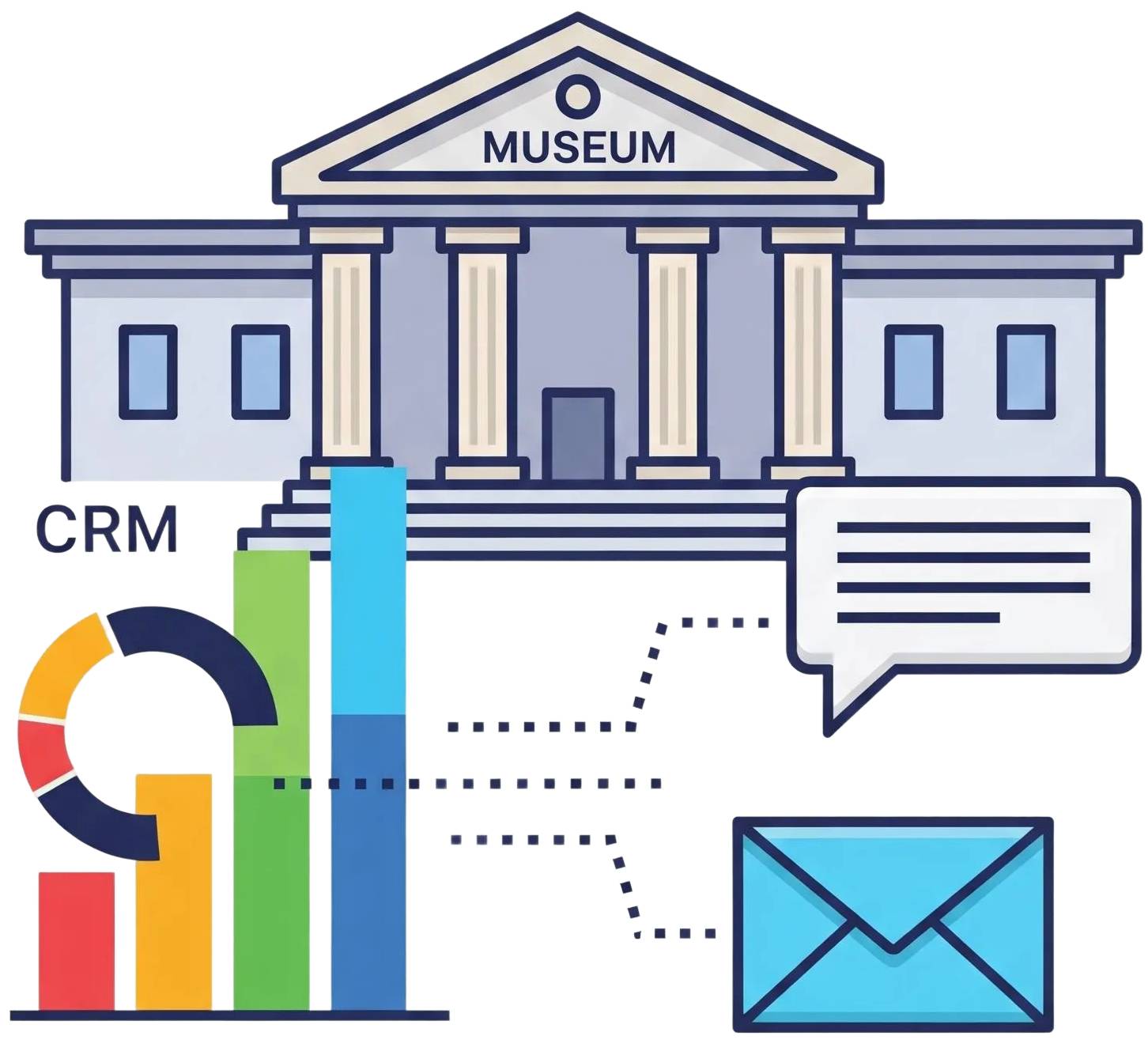
72% of museums using CRM data for interaction tracking report improved communication strategies
Tracking interactions across visits, programs, and donations allows museums to adjust messaging based on the visitor's lifecycle. Communication improves because it reflects patterns over time rather than isolated events.
-
The Strategy: If the data shows a member is visiting less frequently than last year, the CRM can flag them as "at-risk" and trigger a specific re-engagement campaign before their membership lapses.
The Results of CRM-Driven Engagement

Museums using CRM tools see a 35% increase in repeat visits
Repeat visits reflect sustained interest, but they don't happen by accident. CRM systems support retention by making engagement history visible, allowing marketing teams to strike while interest is still active. By timing communications based on the last visit date, museums stay top-of-mind without becoming spammy.
Personalized communication can boost visitor retention by 40% year over year
Retention grows when personalization becomes part of standard operations, not just a one-off project. When communication reflects behavior consistently—across ticketing, retail, and donations—visitors are more likely to maintain their connection over time. They stop seeing the museum as a "place to go" and start viewing it as a cause they support.
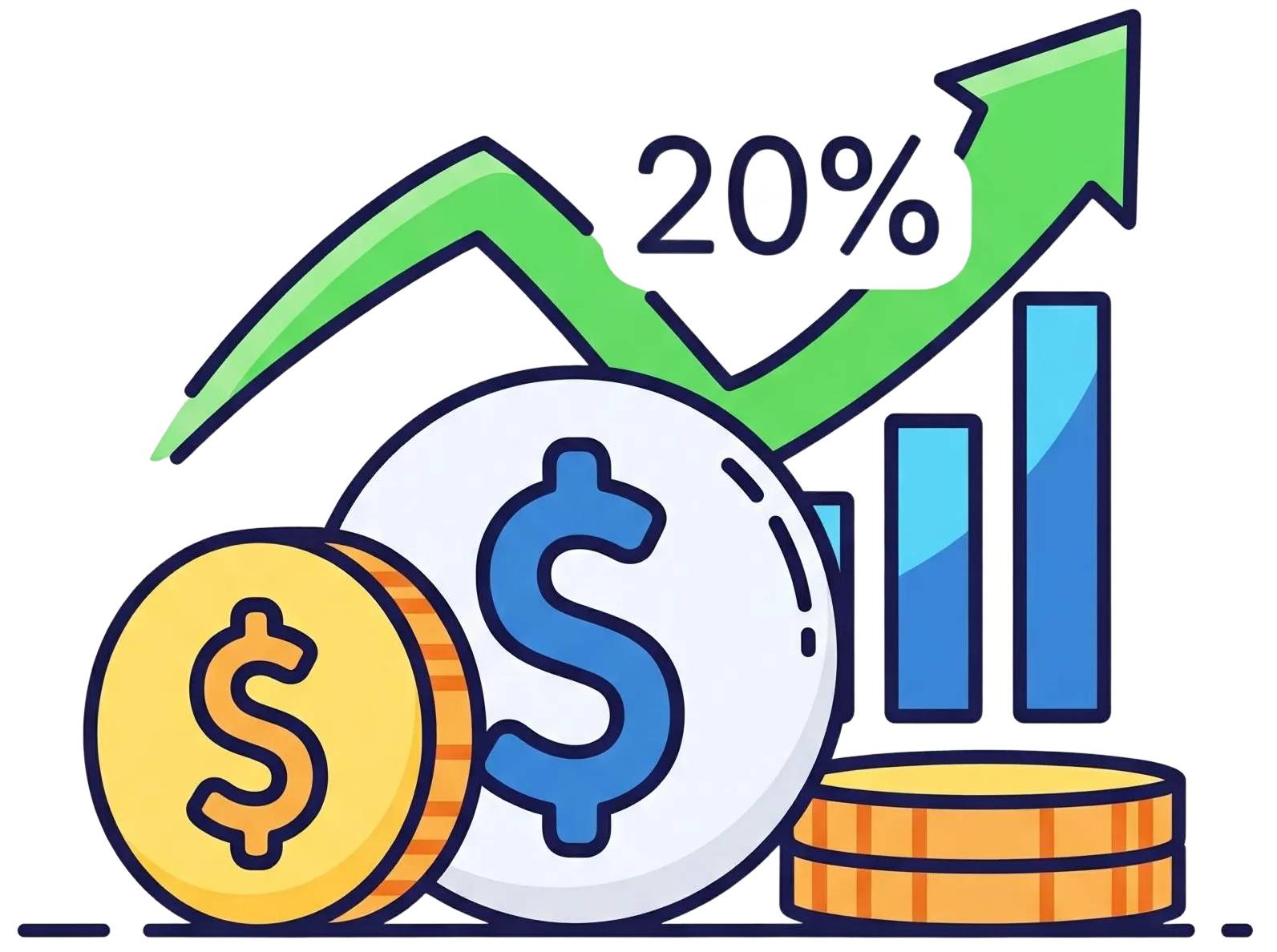
Museums that personalize donation asks see a 20% increase in conversion rates
Donation performance improves when asked to align with engagement history. Personalization helps museums match the "ask" to the donor's readiness, significantly reducing friction in the giving process.
-
The Result: Instead of asking a first-time visitor for $100, the system knows to ask for a second visit. Instead of asking a major donor for a $20 membership, the system knows to invite them to an exclusive director's tour
MuseumHub is built on top of HubSpot and designed specifically for how museums manage visitors, memberships, and programs.
MuseumHub gives teams the context they need to personalize communication, track retention, and strengthen relationships without adding operational complexity by connecting engagement data into a single CRM foundation,
If you want to see how MuseumHub supports visitor engagement and retention in practice, we can walk through how it fits into your existing workflows and data structure.